Description
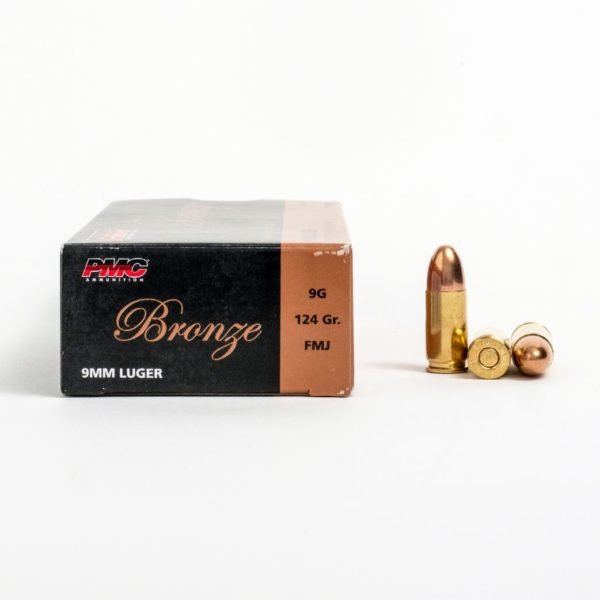
9mm – 124 gr FMJ – PMC (9G) – 1000 Rounds
9mm 124 gr FMJ PMC (9G) – Cartridge Design, Range Use & Performance Overview
TASTYTSUNAMI Informational Guide
Introduction to 9mm 124 gr FMJ Ammunition
The 9mm 124 gr FMJ PMC (9G) cartridge is a centerfire pistol ammunition configuration commonly associated with recreational range training, target shooting, and handgun familiarization. Manufactured by PMC Ammunition, this cartridge type combines a 124-grain full metal jacket projectile with the widely used 9mm cartridge platform.
The 9mm cartridge remains one of the most commonly used handgun calibers worldwide due to its balanced recoil characteristics, broad firearm compatibility, and extensive use in training environments.
This informational guide from TASTYTSUNAMI explores the technical characteristics, design philosophy, ballistic behavior, and practical applications of the 9mm 124 gr FMJ cartridge category.
Understanding the 9mm Cartridge Platform
The 9mm cartridge is one of the most established handgun calibers globally.
Core platform characteristics include:
- Moderate recoil impulse
- Broad firearm compatibility
- High magazine capacity potential
- Extensive global adoption
- Widespread training use
Its balance between recoil control and practical performance has made it a standard cartridge across many handgun categories.
What “124 Grain” Means
The term “124 gr” refers to projectile weight.
Projectile weight considerations include:
- Increased projectile mass compared to lighter 115-grain loads
- Different recoil impulse characteristics
- Consistent cycling behavior in many handgun systems
- Stable ballistic performance in common barrel lengths
Projectile weight influences recoil behavior and firearm cycling characteristics.
Understanding FMJ (Full Metal Jacket) Design
FMJ stands for Full Metal Jacket.
FMJ projectile characteristics include:
- Lead core enclosed by metal jacket material
- Reduced barrel fouling compared to exposed lead
- Reliable feeding characteristics in semi-automatic firearms
- Common use in training and target shooting environments
FMJ ammunition is widely used in range applications.
PMC Ammunition Background
PMC Ammunition is known for producing a variety of centerfire and rimfire ammunition products for sporting and recreational shooting markets.
Manufacturer focus areas include:
- Consistent manufacturing processes
- Training-oriented cartridge lines
- Broad caliber offerings
- Range-focused ammunition configurations
The brand is commonly associated with training and recreational ammunition categories.
Ballistic Characteristics of 124 gr 9mm Loads
Projectile weight and cartridge pressure influence ballistic behavior.
Common ballistic considerations include:
- Moderate recoil characteristics
- Stable projectile flight behavior
- Consistent handgun cycling in many platforms
- Suitable performance for recreational range shooting
Ballistic behavior varies depending on firearm platform and barrel length.
Recoil Characteristics
124-grain 9mm cartridges are often associated with balanced recoil behavior.
Recoil-related features include:
- Smooth impulse characteristics in full-size pistols
- Controlled muzzle rise compared to higher-pressure loads
- Consistent cycling in compact and duty-size handguns
- Suitable for repetitive range practice sessions
Training consistency often depends on predictable recoil behavior.
Semi-Automatic Handgun Compatibility
The 9mm cartridge platform supports a broad range of firearm systems.
Common platform categories include:
- Full-size striker-fired pistols
- Compact concealed-carry handguns
- Hammer-fired service pistols
- PCC (Pistol Caliber Carbine) systems
Compatibility always depends on manufacturer specifications and firearm condition.
Training and Recreational Applications
FMJ ammunition is commonly associated with range environments.
Common use categories include:
- Recreational shooting
- Firearm handling familiarization
- Marksmanship training
- Structured range practice
- Competitive training environments
FMJ loads are widely used for repetitive practice applications.
Cartridge Case Design
The cartridge case supports safe chambering and cycling.
Case-related features include:
- Centerfire primer system
- Brass casing construction (model dependent)
- Reliable extraction geometry
- Reloading compatibility in some cases
Case quality influences feeding and extraction consistency.
Feeding Reliability in Semi-Automatic Platforms
FMJ projectile geometry is often optimized for feeding consistency.
Feeding-related characteristics include:
- Rounded projectile nose profile
- Smooth magazine transition behavior
- Reduced feeding interruptions in many handgun systems
- Stable chambering consistency
This is one reason FMJ ammunition remains widely used for practice.
Storage and Environmental Considerations
Proper ammunition storage supports long-term reliability.
Best-practice storage considerations include:
- Dry, climate-controlled environment
- Protection from moisture exposure
- Consistent temperature conditions
- Original packaging retention when possible
Storage quality influences long-term cartridge condition.
Understanding Bulk Ammunition Packaging
The “1000 rounds” configuration refers to bulk packaging volume.
Bulk packaging characteristics include:
- Extended range-session convenience
- Reduced packaging frequency
- Common use in training environments
- Simplified inventory management for frequent shooters
Bulk configurations are widely used in high-volume training contexts.
Range Training Consistency
Consistency is important in repetitive shooting practice.
Training-related advantages include:
- Uniform recoil behavior
- Repeatable sight recovery patterns
- Consistent firearm cycling
- Familiarization with specific cartridge loads
Training effectiveness often improves through ammunition consistency.
9mm Platform Popularity
The 9mm platform remains one of the most widely used handgun calibers globally.
Popularity factors include:
- Broad handgun compatibility
- Balanced recoil profile
- Common availability
- Extensive training use history
- Wide institutional adoption
Its versatility contributes to long-term market dominance.Ammunition Manufacturing Standards
Modern ammunition manufacturing focuses on consistency and reliability.
Quality-control priorities include:
- Uniform projectile seating
- Consistent powder loading
- Reliable primer installation
- Stable cartridge dimensions
Manufacturing consistency directly influences performance predictability.
Final Thoughts
The 9mm 124 gr FMJ PMC (9G) cartridge configuration represents a widely recognized training-oriented ammunition category built around the globally established 9mm platform. Its 124-grain projectile weight, FMJ construction, and broad compatibility make it commonly associated with recreational range use and handgun familiarization environments.
As part of the broader ammunition lineup from PMC Ammunition, it reflects the continued popularity of 9mm FMJ loads for structured training and target shooting applications.
9mm – 124 gr FMJ – PMC
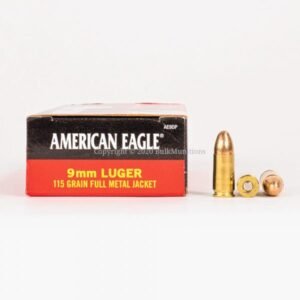
- Quantity – 1000 Rounds (20 Boxes of 50 Rounds)
- Manufacturer – Federal American Eagle
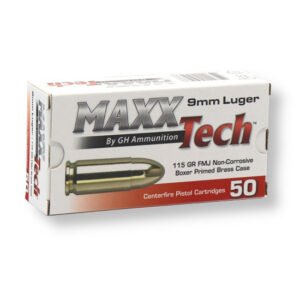
- Bullet – 115 Grain FMJ (Full Metal Jacket)
- Casing – New Boxer-Primed Brass
9mm – 124 gr FMJ – PMC (9G) – 1000 Rounds
9mm – 124 gr FMJ – PMC (9G) – 1000 Rounds
9mm – 124 gr FMJ – PMC (9G) – 1000 Rounds
9mm – 124 gr FMJ – PMC (9G) – 1000 Rounds
9mm – 124 gr FMJ – PMC (9G) – 1000 Rounds
9mm – 124 gr FMJ – PMC (9G) – 1000 Rounds